Why great content starts with the angle


I spent almost a decade as a producer at the BBC. It was one of the best training grounds imaginable for learning how to tell stories.
Every day felt like a school day.
One moment I might have been preparing a briefing for a Secretary of State. The next, organising an outside broadcast that brought together presenters, guests and technical teams. Other days meant collaborating with different departments across the BBC on stories I’d never encountered before.
As you can imagine, my head is now full of completely random facts.
But there was a reason for that. In broadcast news, you often have to become an expert in a subject in a single day.
My job was to quickly understand a topic and produce a briefing that helped the presenter cover the story in the clearest and most compelling way possible - often with very little time to prepare.
Over time, that process came down to two essential skills:
- Getting to the heart of the story quickly.
- Finding the angle that will make the audience care.
Why this matters in podcasting
This same approach is something we now bring to our podcast clients.
Great podcast episodes don’t just happen because someone presses record. The most engaging shows start by identifying the best angle for the story and exploring it in the most interesting way possible.
Podcasting offers something traditional broadcast often can’t: time.
In radio or TV news, you might have three or four minutes to cover a topic. In a podcast, you can spend 20, 30 or even 45 minutes unpacking it properly.
That freedom is one of podcasting’s greatest strengths.
But it also introduces a common problem: over recording.
Without a clear direction, conversations can wander, recordings become longer than they need to be, and the core message of the episode gets lost.
Start with the listener
The biggest game changer in podcast production is going into a recording knowing exactly what you want the listener to take away from the episode.
Before recording, we always focus on a few key questions:
- What should the listener learn from this episode?
- What is the core story or angle we’re exploring?
- What questions will bring out the most interesting insights from the guest?
- Who exactly are we making this episode for?
Answering these questions in advance gives the recording real purpose. It helps the host ask better questions. It gives the guest clearer direction. And it makes the final edit sharper and more engaging.
Just as importantly, it also shapes how the episode is marketed, because when you know the angle, you know exactly who the content is for.
The power of prep
Podcasting might feel conversational and relaxed but the best conversations are still carefully prepared.
A clear angle. A defined takeaway. A well thought-out set of questions.
That preparation is what turns a good conversation into a great piece of content.
And that’s the same principle I learned producing stories at the BBC.
Lizi
More Articles

Why every business podcast needs a regular “listen back”
Creating a great podcast doesn't end when you stop recording

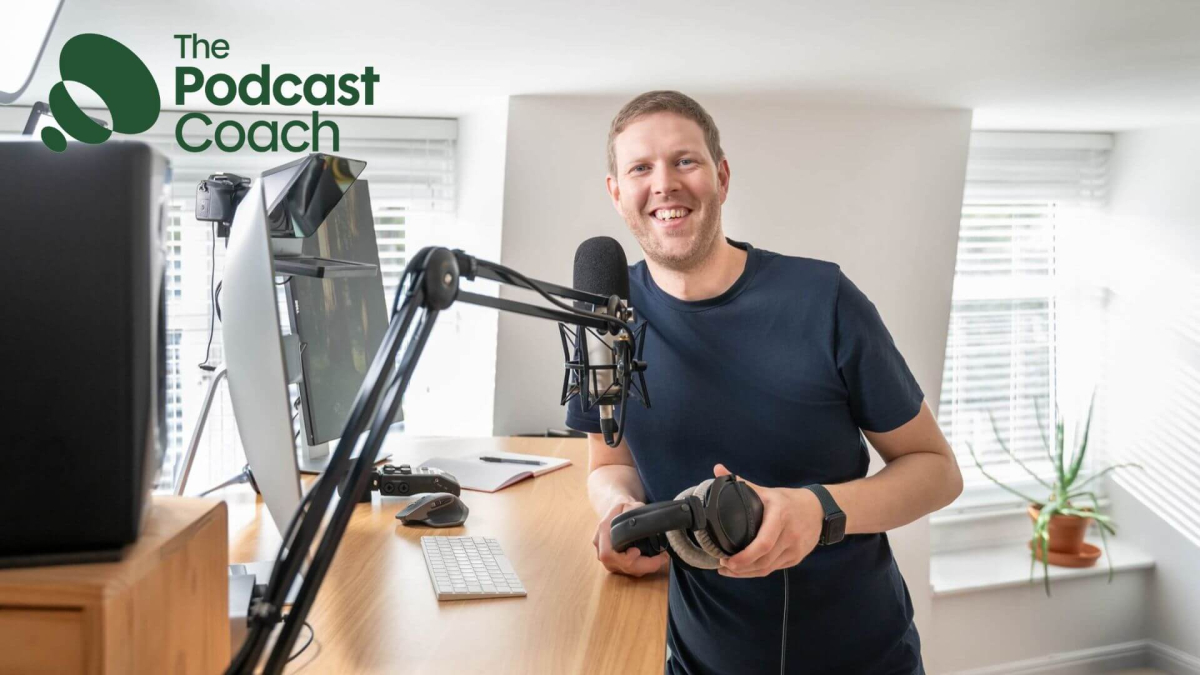
How to host a podcast without being a subject expert
The key role you play as a host is not to be a subject expert

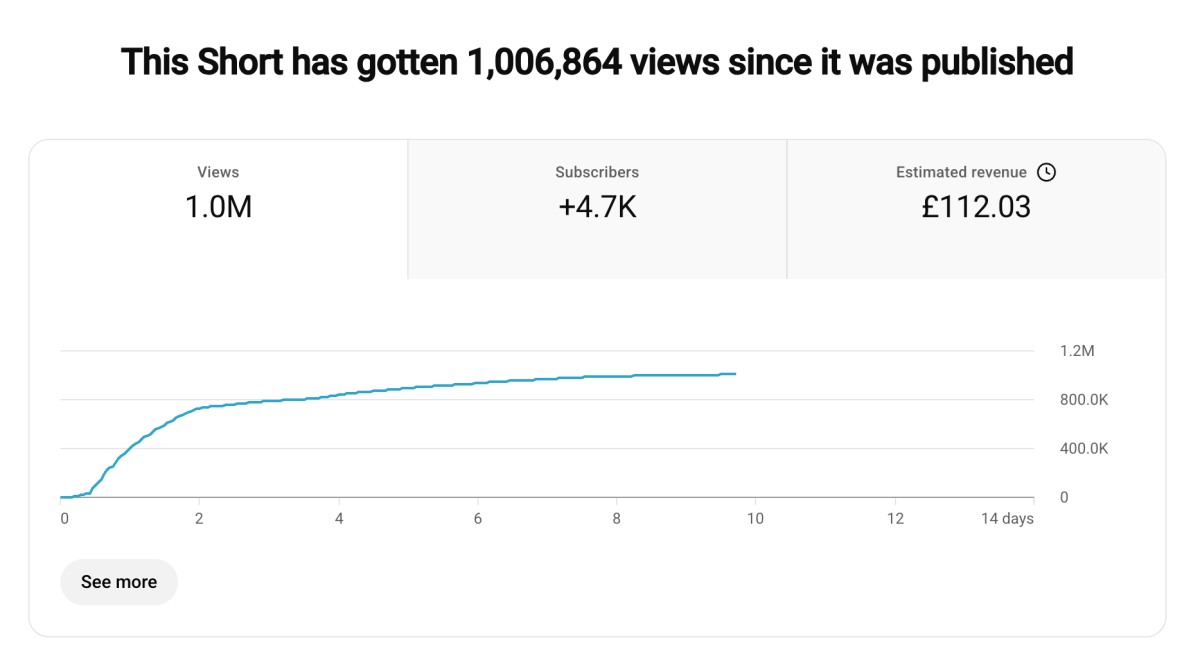
One million views. One lesson every podcaster needs to hear
What I learned from 1 million views on YouTube
The Podcast Readiness Assessment
Far too many organisations that launch a podcast aren't ready for one
The Level Up: Podcast Appraisal & Coaching
Find out exactly what’s holding your podcast back
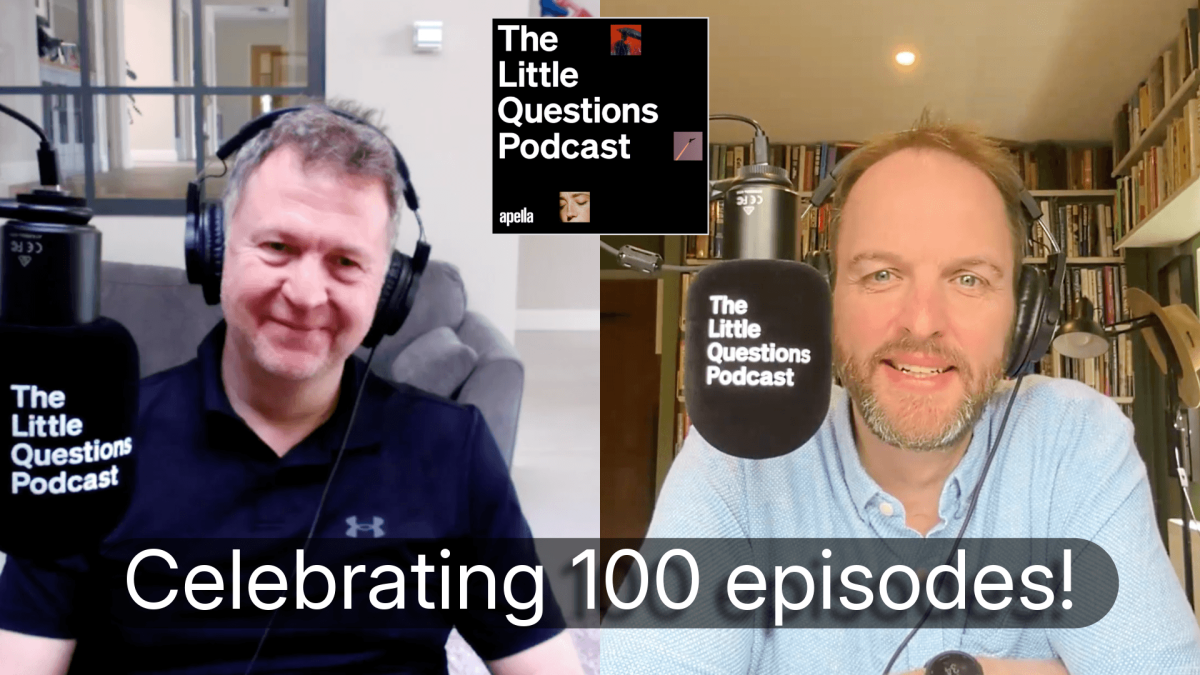
How our client hit 100 episodes (When most quit at 3)
Our client has released their 100th podcast episode