How to monetise your podcast


How do you make money from a podcast?
Late last year we were working with a client who asked us: "When can I start making money from this?"
They were regularly getting around 300 total downloads per episode.
It's a fair question. And the honest answer is: there's no shortcut.
But there is a better question to ask.
The wrong question
Most people approach podcast monetisation the same way. They plan to hit a certain number of downloads, switch on advertising and wait for the revenue to flow.
The problem? That approach treats your podcast like a billboard. And if you're a business leader or organisation using podcasting strategically, you're leaving the real value on the table.
Together, the three of us have spent more than 30 years broadcasting. We've seen what happens when you prioritise mass attention over everything else. And in this post we’ll share what we've learned. Firstly, the number that matters isn't downloads. It's who's listening and what happens after they do.
When downloads actually matter
Let's be clear about the numbers because they do matter, just not in the way most people think.
If you want traditional podcast sponsorships, you're generally looking at 5,000–15,000 downloads per month as a starting point for meaningful conversations with brands. Some automated advertising platforms will work with as little as 1,000 downloads per episode, but the revenue is typically negligible.
At 250,000 downloads a month, you're in a different league. You're likely becoming a recognised voice in your space, and sponsors will approach you.
But here's the thing: very few business podcasts ever reach those numbers. And that's fine.
Because for most of the leaders we work with, traditional advertising isn't the point.
The better question
The better question isn't "how many downloads do I need?" It's "what am I actually trying to build?"
Think about it this way.
Imagine your podcast reaches 500 listeners each month. Not a huge number, and certainly not by broadcast standards. But picture those 500 people in a room. That's a full auditorium.
Now imagine that among those 500 are 10 people who could become clients, partners, or key relationships for your business.
What's that worth?
This is the invisible ROI of strategic podcasting. The value doesn't show up in your hosting platform's analytics or ad revenue dashboard. It shows up in your business.
What "monetisation" actually means
When we talk to clients about podcast monetisation, we're not usually talking about advertising revenue. We're talking about return on investment.
A well-positioned podcast can:
Build authority that opens doors. Conference speaking invitations. Media requests. Clients coming to meetings who already trust your expertise.
Deepen relationships with high-value audiences. Regular touchpoints with existing clients, prospects, or partners that feel valuable rather than salesy.
Create strategic opportunities. Conversations with guests who become collaborators. Introductions that lead to partnerships. Candidates who apply because they've been listening for months.
Compound in value over time. Unlike a social post that disappears in 48 hours, podcast episodes continue being discovered months or years later.
When sponsorship makes sense
None of this means traditional sponsorship is wrong. For some podcasts, it's exactly the right approach.
If you've built a podcast with a clear niche audience and consistent listenership, sponsorships can work well - particularly when they align with your content and serve your listeners.
But switching on automated ads too early often does more harm than good. Listeners notice. And if you're positioning yourself as a serious voice in your industry, interrupting your content with generic ads can undermine that positioning.
The sponsors worth having are the ones who see your podcast as a premium platform. And those sponsors care about more than just download numbers. They care about production quality, audience engagement, and whether your show sounds like something they want to be associated with.
This is where broadcast standards matter. A podcast that sounds like Radio 4 attracts different sponsors - and commands different rates - than one that sounds like it was recorded in a bathroom. Have a look at Rory’s post discussing why audio quality is important.
The long game
Here's what most ‘how to monetise your podcast’ articles won't tell you: building a podcast that generates real value takes time.
You're not going to publish three episodes and start seeing revenue. You're going to need consistency, quality, and strategic thinking about who you're trying to reach and why.
But if you approach it that way - as an owned platform you're building, not a marketing tactic you're testing - the return can be significant.
We've seen it with the clients we work with. Not always in traditional sponsorship revenue. But in the doors that open, the relationships that deepen, and the authority that builds over time.
That's the real monetisation. And it's worth more than most podcast ads would ever generate.
What this means for you
So back to that original question: "When can we start making money from this?"
The answer depends entirely on what you're trying to build.
If you're creating a podcast as a media property with the goal of reaching hundreds of thousands of listeners and attracting major sponsors, that's one path. It's possible, but it requires a specific approach and significant investment.
If you're a business leader using podcasting to build authority, deepen client relationships, or position your organisation strategically, that's a different game. The value is less visible but often more significant.
The question isn't whether you can make money from a podcast. It's whether you're measuring the right kind of value.
If you're thinking about launching a podcast, or wondering whether your existing show is working as hard as it should, we'd be glad to talk it through honestly. Sometimes that means advising you not to start. Sometimes it means helping you think differently about what success looks like.
More Articles

Why every business podcast needs a regular “listen back”
Creating a great podcast doesn't end when you stop recording
How to host a podcast without being a subject expert
The key role you play as a host is not to be a subject expert

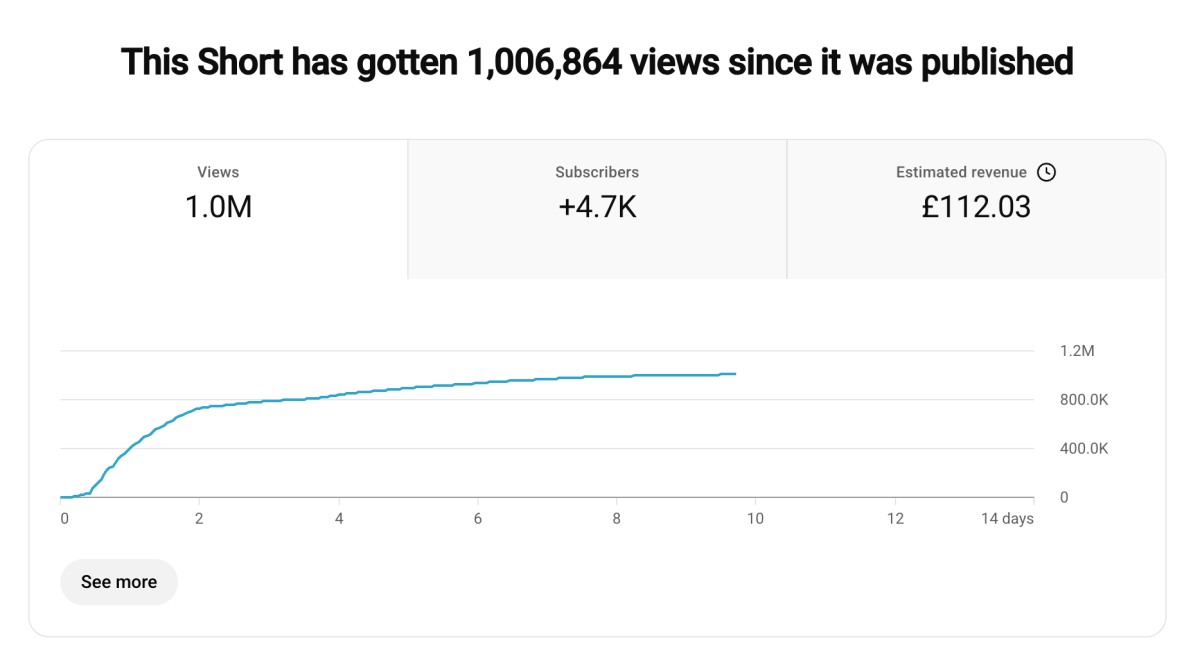
One million views. One lesson every podcaster needs to hear
What I learned from 1 million views on YouTube
The Podcast Readiness Assessment
Far too many organisations that launch a podcast aren't ready for one
The Level Up: Podcast Appraisal & Coaching
Find out exactly what’s holding your podcast back
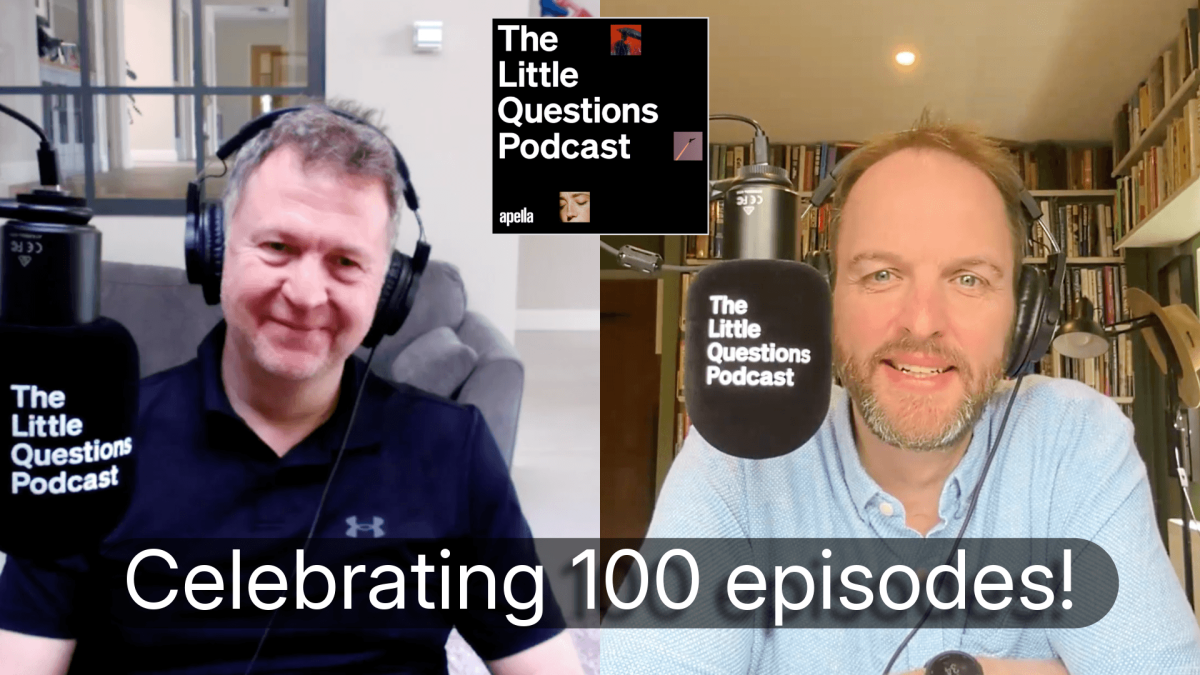
How our client hit 100 episodes (When most quit at 3)
Our client has released their 100th podcast episode