How to host a podcast without being a subject expert

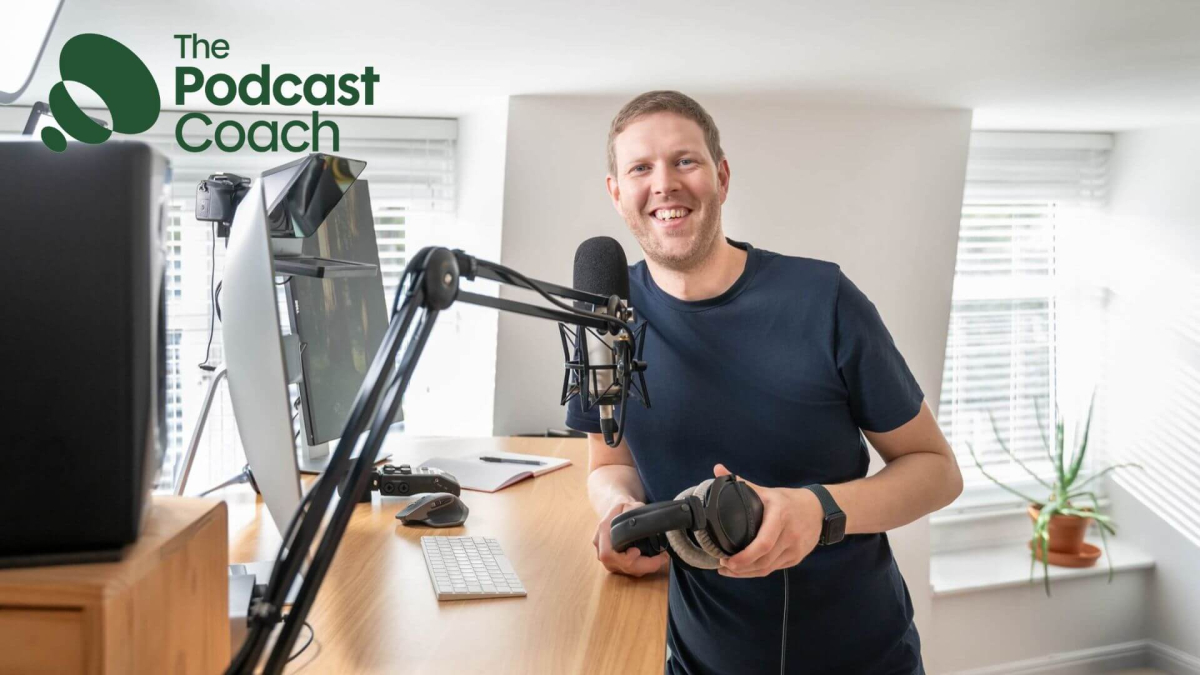
You don't need to be an expert. You need to be the proxy.
A recent coaching session highlighted a common source of anxiety and nerves for people stepping into a podcast hosting role. Our client was worried that despite being very experienced in their role, that their lack of direct knowledge of the subject was going to leave them exposed.
It’s a reasonable concern until you understand what the host's role is actually all about. The presenter’s job isn't to match the guest's expertise. It's to ask the questions the listener would ask if they were sitting in that chair.
A debate needs a moderator
If two specialists sit down and talk shop without a moderator to shape the discussion and guide the listener through it, the podcast can become offputting for most listeners. The terminology often assumes knowledge the audience doesn't have, and the conversation moves too fast to follow.
A host who isn't a specialist is an asset here. When a guest uses a piece of jargon or starts going into granular detail beyond the understanding of your average listener, the host can step in and ask for clarity. That simple question isn't a weakness. It's the thing that makes the conversation usable and accessible.
This is one of the truths of broadcast interviewing. On the BBC, presenters interview surgeons, economists, and engineers without holding any of those qualifications themselves. Their value is in representing the listener: asking the basic question before the guest moves on to the next idea, slowing things down when needed, and checking understanding out loud so nobody else has to admit they're not following.
What this looks like in practice
There are a few habits that make the proxy role work in practice. Ask for definitions in plain terms. If a guest uses a technical phrase, a simple "can you explain that for anyone who hasn't come across it before" gets you a clearer answer and protects the listener from being left behind. If the guest uses acronyms that you do understand, it can often be worth weaving that into a question; “You mentioned RAG based LLMs which is Retrieval-Augmented Generation, an AI technique that grounds large language models in external, proprietary knowledge bases. Can you help us understand how fast these models are evolving?”
Follow your own confusion. If something genuinely doesn't make sense to you, it probably won't make sense to a chunk of the audience either. That instinct is worth trusting, because if the answer it provokes doesn’t add value, both it and your question can be cut at the editing stage. If you don’t ask the question and we’re still confused at the editing stage, we’re a bit goosed, so it’s always better to ask than not.
Picture your one core listener, not a panel of experts. The mental image of lots of people judging every word you utter creates a lot of pressure. The mental image of one person enjoying the conversation but wanting clear explanations removes most of it. This ‘present for one person’ technique is actually a great way to minimise the stress many hosts feel when the recording begins.
Why this matters for corporate hosts
This comes up most with clients in technical or regulated sectors, where the guest's day job involves language the host has never used before a recording starts. Even if you work in the same sector, people from other parts of the business can easily slip into language and jargon you don't really understand. What hope does the audience have?
A common instinct is to over-prepare and try to sound fluent in a field that took the guest a career to learn.
For us, this is the wrong kind of preparation. The must useful thing you can do is to know roughly where the conversation needs to go, then trust that not understanding something in the moment is exactly the cue to ask about it.
The best interviews are rarely the ones where the host knows the most. They're the ones where the host asked the question everyone else was thinking, in a way that keeps everyone engaged. As a host, that's your super power.
One final thought, and it's as much about reassurance as it is about practicality; the podcast will be edited. Hosts and guests alike often tell us after the recording has finished that they thought they could have done better or that they didn't feel like they were very coherent. Nine times out of ten by the time we've completed our magic at the edit and post production stage, they feel completely different about it. That's our super power.
If you're getting ready to host or co-host a podcast and the gap between your knowledge and your guest's is the thing keeping you up at night, that's normal, and it's also the easiest part to fix. Book a discovery call and we'll talk through what your episodes actually need from you.
More Articles
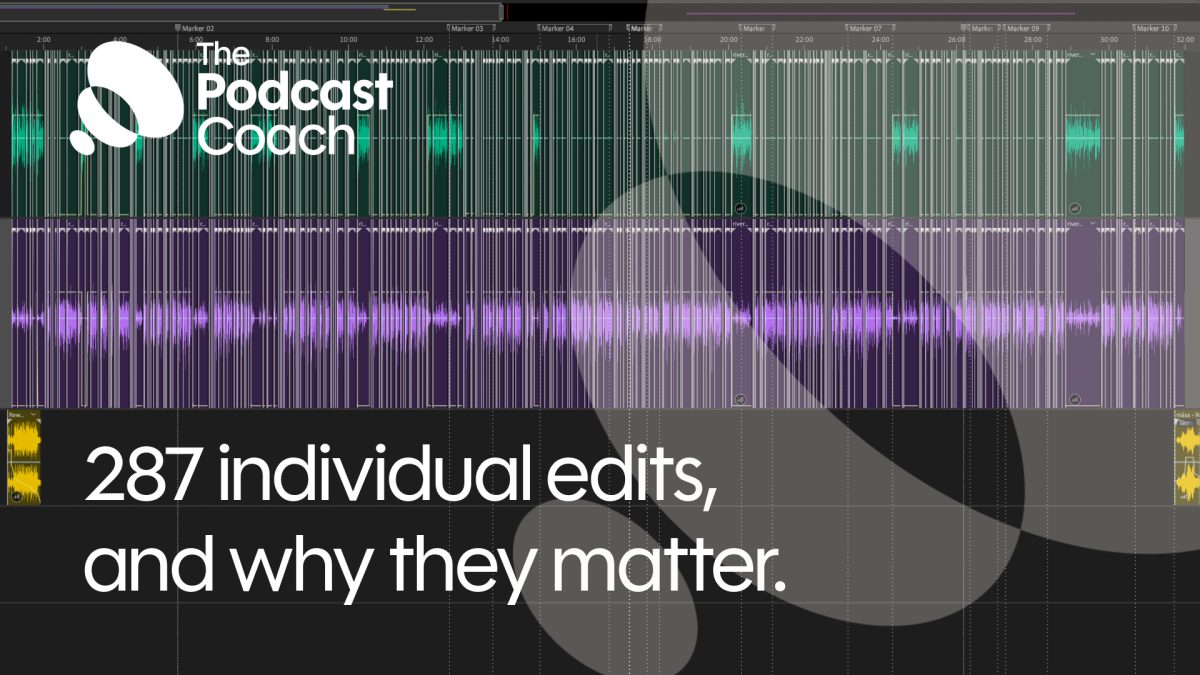
287 edits you will never hear and why they matter
Good editing can turn an average recording into an excellent podcast.
Why great podcast content starts with the angle
The most engaging podcasts develop from identifying the best angle for the story


Should your business start a podcast? A practical guide for leaders
A practical guide for leaders considering launching a podcast

Hosting solo vs co-hosting: what really changes?
How to host a podcast solo or with a co-host


Big agency expertise without the bureaucracy
Why our small, experienced team beats a big agency.
Why every business podcast needs a regular “listen back”
Creating a great podcast doesn't end when you stop recording